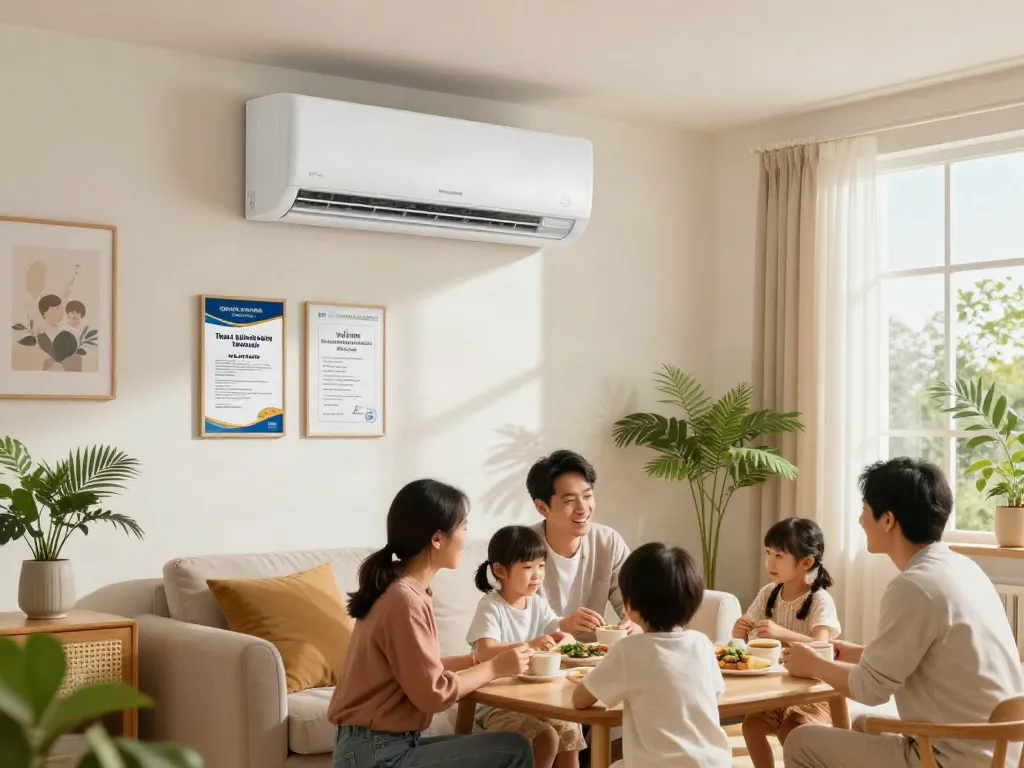
Understanding Ductless AC Systems
Ductless air conditioning systems, also known as mini-split systems, offer a flexible and efficient solution to heating and cooling your home. Unlike traditional HVAC systems that rely on extensive ductwork, ductless ACs are designed to provide targeted cooling to individual rooms or zones. This makes them particularly appealing in homes without existing duct systems or for spaces that require additional climate control. When exploring options, ductless ac units can significantly improve comfort while enhancing energy efficiency.
What is a Ductless AC?
A ductless air conditioning system consists of two primary components: an outdoor compressor unit and one or more indoor air-handling units. The outdoor unit is connected to the indoor units via refrigerant lines, allowing for efficient heat exchange. Unlike conventional systems, ductless AC units can be mounted on walls, ceilings, or even floors, providing versatility in installation. Moreover, they can heat and cool spaces, making them suitable for year-round use.
How Ductless AC Works
Ductless AC systems operate on a simple yet effective principle. The outdoor unit absorbs heat from the environment and transfers it to the refrigerant. The refrigerant is then pumped into the indoor units, where it releases the absorbed heat into the room. Conversely, during the cooling process, the system extracts heat from the indoor air and transfers it outside. This cycle not only ensures comfort but also delivers energy savings compared to traditional systems.
Benefits of Ductless AC for Homes
- Energy Efficiency: Ductless systems often use inverter technology, allowing variable speeds and reducing energy consumption.
- Zoned Comfort: Homeowners can control the temperature in different areas separately, accommodating varied preferences.
- Easy Installation: Without the need for ductwork, installation is less invasive and can be completed in a fraction of the time.
- Improved Indoor Air Quality: With fewer allergens circulating through ducts, many systems come equipped with advanced filtration options.
Common Mistakes When Installing Ductless AC
Choosing the Wrong Size for Your Space
One of the most critical factors in ductless AC installation is selecting the right size unit for your space. An undersized unit will struggle to cool adequately, while an oversized unit will cycle on and off frequently, leading to inefficient operation and increased energy costs. To determine the correct size, it's essential to calculate the cooling load based on room dimensions, insulation quality, and local climate.
Ignoring Energy Efficiency Ratings
Energy efficiency ratings, such as the Seasonal Energy Efficiency Ratio (SEER), indicate how well a system uses electricity to deliver cooling. Opting for a unit with a higher SEER rating can drastically cut down utility bills and environmental impact. Thus, always consider these ratings as part of your decision-making process.
Improper Installation Techniques
Even the best ductless AC units can underperform if not installed correctly. Common installation errors include improper refrigerant line placement, inadequate insulation, and incorrect electrical supply connections. These mistakes can hinder system performance and void warranties, emphasizing the importance of professional installation.
Best Practices for Ductless AC Installation
Selecting the Right Location for Indoor Units
The placement of indoor units significantly affects performance. Ideally, they should be installed high on a wall and away from obstructions to enhance airflow. Additionally, considering proximity to the outdoor unit can reduce installation complexity and improve efficiency.
Ensuring Proper Electrical Supply and Wiring
Correct electrical supply is vital for the efficient operation of ductless systems. Ensure that the circuit can handle the required load, and use the proper gauge wiring. Working with a licensed electrician is essential to meet local codes and ensure safety.
Hiring Qualified HVAC Technicians
Professional installation is paramount for the success of your ductless system. Qualified HVAC technicians will not only guarantee proper installation but also provide insights into maintenance and troubleshooting, ensuring the system operates smoothly over its lifespan.
Maintaining Your Ductless AC System
Regular Cleaning and Maintenance Tips
To keep your ductless AC operating efficiently, regular maintenance is crucial. Clean or replace filters every few months, as clogged filters restrict airflow and reduce efficiency. Additionally, dust and debris buildup around the outdoor unit can hinder its performance; regular cleaning will help avoid those issues.
Signs Your Ductless AC Needs Professional Help
Be on the lookout for signs that indicate your ductless AC requires professional attention. These include unusual noises, reduced airflow, increased energy bills, and the presence of ice on the coils. Addressing these issues promptly can prevent costly repairs down the line.
Seasonal Preparation for Optimal Performance
Preparing your ductless system for seasonal changes is vital. Before summer, ensure the refrigerant levels are adequate and check the indoor units for proper functionality. In winter, consider covering the outdoor unit to protect it from harsh weather conditions. Regular seasonal checks can prolong the life of your unit and maintain efficiency.
Future Trends in Ductless AC Technology
Smart Ductless AC Systems in 2026
The future of ductless AC technology lies in smart systems equipped with IoT capabilities. These systems can allow remote control via smartphones, learning user preferences for personalized comfort settings. Integration with smart home systems will make climate control more efficient than ever.
Advancements in Energy Efficiency
As technology evolves, we can expect improvements in energy efficiency standards. The introduction of refrigerants with lower global warming potential and enhanced insulation materials will likely become industry norms, promoting sustainability in home heating and cooling.
Integration with Home Automation
Future ductless systems will likely integrate seamlessly with home automation systems, allowing for synchronized control of temperature, lighting, and other home features, thus creating a harmonious living environment that maximizes comfort and efficiency.
Frequently Asked Questions
How much does a ductless AC system cost?
The cost of a ductless AC system varies depending on factors such as the number of zones, the brand, and installation requirements. On average, homeowners can expect to spend between $3,000 to $5,000 for a complete system.
Can I install ductless AC myself?
While some homeowners may attempt installation, it is highly recommended to hire qualified HVAC professionals. Proper installation is crucial for performance, energy efficiency, and warranty validity.
How long do ductless AC units last?
With proper maintenance, ductless AC units can last between 15 to 20 years. Regular servicing and care contribute significantly to their longevity.
Are ductless AC systems quiet?
Ductless systems are generally quieter than traditional HVAC systems. The outdoor compressor runs at low noise levels, and the indoor units operate quietly, making them ideal for bedrooms and living areas.
What temperature settings are recommended for ductless AC?
For optimal comfort and efficiency, it is recommended to set your ductless AC at around 75°F in cooling mode and 68°F in heating mode. Adjusting settings to be slightly higher in summer and lower in winter can further enhance energy savings.